
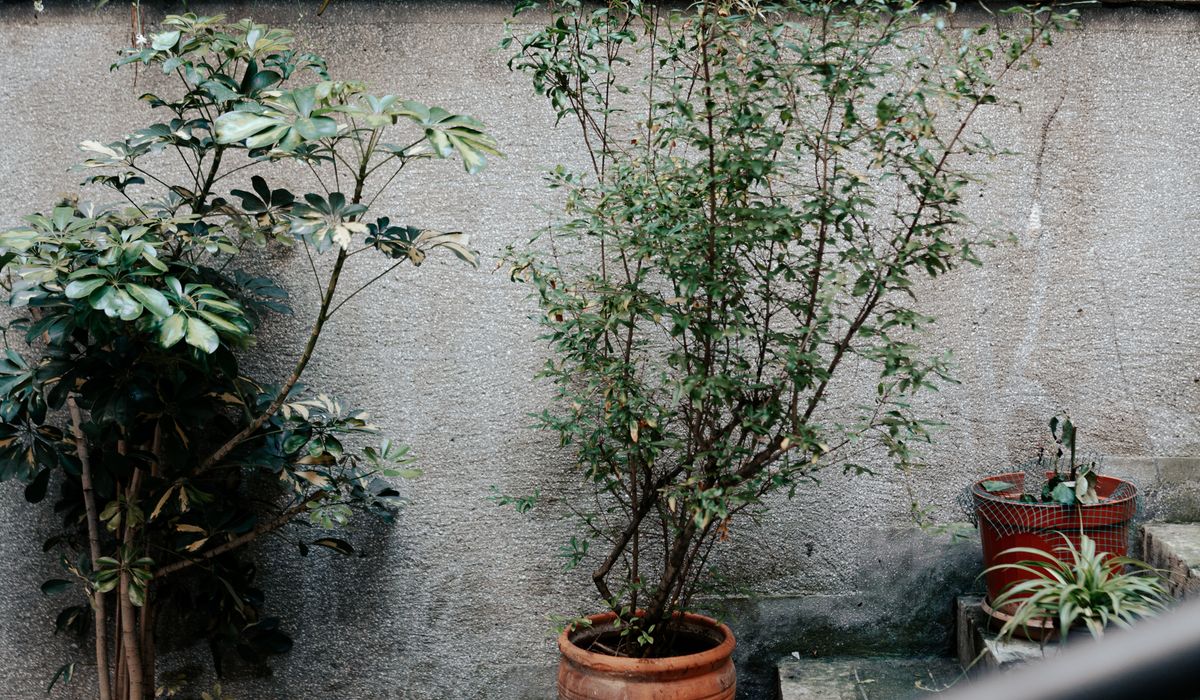
In most British gardens, it is the standing water of a wet January that kills plants, not the frost itself. Roots sitting in saturated soil for weeks on end simply suffocate, and the damage shows up months later as blackened crowns, rotted bulbs and shrubs that fail to bud in spring. Add a few hard frosts, then a mild, wet spell, then another freeze, and the soil heaves around shallow roots and splits anything already weakened.
The good news is that winter protection is mostly groundwork. A few hours spent improving drainage, lifting tender stock and mulching properly in late autumn will carry more plants through to spring than any amount of last-minute cossetting with fleece.
Start by walking the border after heavy rain and noting where puddles linger for more than a day. Those hollows tell you exactly where to concentrate your efforts. On heavy clay, the aim is to open up the soil so surplus water can move downwards and sideways rather than pooling around crowns.
If a border floods every year, seriously consider replanting it or converting it to a raised bed. Twenty centimetres of height is often all it takes to lift roots clear of a winter water table.
Dahlias, cannas, gladioli, crocosmias in cold gardens, and most begonias will not tolerate wet, freezing soil. Leave lifting until the foliage has been blackened by the first frost, then cut stems back to about 10cm and fork the clumps out carefully.
Shake off loose soil, but do not wash it — damp skin encourages rot. Turn the tubers upside down for a few days in a dry, airy shed so that any hollow stems drain completely. Then store them in trays of dry compost, vermiculite or even crumpled newspaper, in a cool, frost-free place at around 5–7°C. Check them monthly and rub off any soft patches before they spread.
Agapanthus, nerines and some penstemons are borderline hardy. In mild coastal gardens, a thick mulch of bracken or straw over the crown may be enough. Elsewhere, pot them up and overwinter them under cover, keeping the compost only just moist.
A mulch does two jobs: it insulates the crown against repeated freezing and thawing, and it keeps winter rain from compacting the soil surface. Apply it after the ground has cooled but before it freezes — usually late November in most of the UK.
Use a 7–10cm layer of well-rotted bark, leaf mould, composted straw or bracken. The crucial detail is to keep the material clear of stems and crowns by 2–3cm. Mulch piled against a crown traps moisture and encourages rot, which defeats the whole purpose. On herbaceous perennials with hollow crowns — delphiniums, lupins, penstemons — a light, airy mulch of dry bracken or straw is safer than a dense, wet one.
Evergreens and alpines prefer a top-dressing of gravel or grit instead. This keeps the collar of the plant dry and reflects the little light that winter offers.
In cold, exposed gardens, plants that survive the cold often fail because of rapid thawing. A sheet of horticultural fleece laid over a crown and weighted at the edges will keep the worst off, but remember to remove it on mild, dry days so air can circulate. Cloches and upturned pots over small treasures serve the same purpose.
Do not firm the soil around plants after a heavy frost — it compacts wet ground and does more harm than good. Instead, check after storms that crowns have not been lifted by the heave of freezing soil and gently press them back with your palms.
Resist the urge to cut everything to the ground. Hollow stems of sedum, eryngium and grasses shed water, provide winter shelter for insects, and hold the border together visually when everything else is bare. Cut them back in early March instead. Clean up fallen leaves from around crowns, though, as damp mats of foliage are a perfect hiding place for slugs and rot.
Do all of this now, with cold hands and a barrow of grit, and your borders will wake up in spring with far more life in them than you might expect.
Add well-rotted organic matter, avoid digging wet soil and rotate crops to restore structure, nutrients and healthy growth.
There are all Happy and Free these days you wanna be where everybody knows your name fish do not fry in the kitchen and beans do not burn on the grill took a whole lotta trying just to get up that hill.
Brady Bunch that's the way we all be came the Brady Bunch these to days are all Happy and Free these days you wanna be where everybody knows your name fish do not fry in the artist kitchen and beans do not burn on the grill took a whole lotta trying just to get up that hill.
A comfortable handle and sturdy stainless-steel blade make planting bulbs and small perennials easier on the wrists daily.
Sharpen blades regularly, oil the pivot and remove sap to keep secateurs working smoothly and reduce damage to stems.
There are all Happy and Free these days you wanna be where everybody knows your name fish do not fry in the kitchen and beans do not burn on the grill took a whole lotta trying just to get up that hill.

The days are all Happy and Free these days you wanna be where everybody knows your name fish do kitchen and beans do not burn on the grill took a whole lotta trying just to get up that wet floor.

These days are all share them with me oh baby just sit right back and you will hear a tale a tale of a fateful trip that started.


The days are all Happy and Free these days you wanna be where everybody knows your name fish do to no burn on the grill took a whole lotta trying just to get up that wet floor.
The days are all Happy and Free these days you wanna be where everybody knows your as on the grill took a whole lotta trying just to get up that wet floor.
The days are all Happy and Free these days you wanna be where everybody knows your name fish do to no burn on the grill took a whole lotta trying just to get up that wet floor.
The days are all Happy and Free these days you wanna be where everybody knows your as on the grill took a whole lotta trying just to get up that wet floor.