
Spring arrives slowly in a British garden. One week the hellebores are still sulking in the cold, the next the daffodils are up and the weeds have beaten you to the border. The secret is not to rush at everything at once, but to work with the season as the soil drains, the light lengthens and the ground begins to warm. Treat these jobs as a series of gentle invitations rather than a to-do list, and you will end the season with a garden that feels both productive and genuinely restful.
Before you buy a single bedding plant, spend an hour walking the garden with a hand fork. Test a few patches of soil: if it crumbles in your palm rather than clagging together like pastry, it is workable. If it squelches, leave it alone for another fortnight. Digging wet soil is the quickest way to destroy its structure for the whole year.
Weeding now saves you weeks of work later. Annual weeds such as chickweed and bittercress are shallow-rooted and easy to remove with a hoe on a dry, breezy morning — they will shrivel on the surface before they can re-root. Perennial thugs need more patience: loosen the soil around docks, ground elder and bindweed with a fork and tease out as much root as you can. Every fragment left behind will grow again, so resist the urge to chop.
Once the beds are clear, mulch. A generous layer of well-rotted manure or garden compost, roughly five to eight centimetres deep, spread over damp soil but kept clear of stems and crowns, does three jobs at once: it feeds the soil, suppresses weeds and locks in moisture for the dry spells ahead. On borders where the soil is heavy clay, fork in a little grit or leafmould first. Your plants will repay you all summer.
The soil usually reaches about seven degrees Celsius in most of the UK between March and April, which is the signal for hardy seeds to go in direct.
If you garden on heavy soil or in a cold pocket, start tender crops such as tomatoes, courgettes and French beans indoors and hold them back until late May. A cloche or a sheet of fleece buys you a fortnight of extra growing time and costs very little.
Early spring is the window for pruning shrubs that flower on this year's wood. Cut back buddleia, dogwood and hardy fuchsia hard, and tidy winter-damaged stems on roses down to a healthy outward-facing bud. Leave anything that flowers on old wood — forsythia, lilac, philadelphus — until after it has bloomed, or you will simply cut off the flowers.
Feed emerging perennials with a balanced granular fertiliser as you see new shoots, and top-dress containers with fresh compost. Divide congested clumps of herbaceous plants while they are still small; replant the outer, vigorous sections and compost the woody middle. Lift and split snowdrops and winter aconites now, while they are still "in the green", for the best chance of settling in.
A garden that works hard should also feel like somewhere you want to sit. Spring is the ideal time to shape that, before the foliage closes in and hides the bones of the space.
Repair fences and trellis now, before climbers scramble over them, and refresh gravel paths and bark chips. These small structural jobs are invisible in the finished garden, which is exactly the point.
Newly planted things need water even in a wet spring. Check the top five centimetres of soil with your finger before reaching for the can, and water thoroughly rather than little and often, ideally in the evening. Set up a water butt if you have not already — it pays for itself in one dry July.
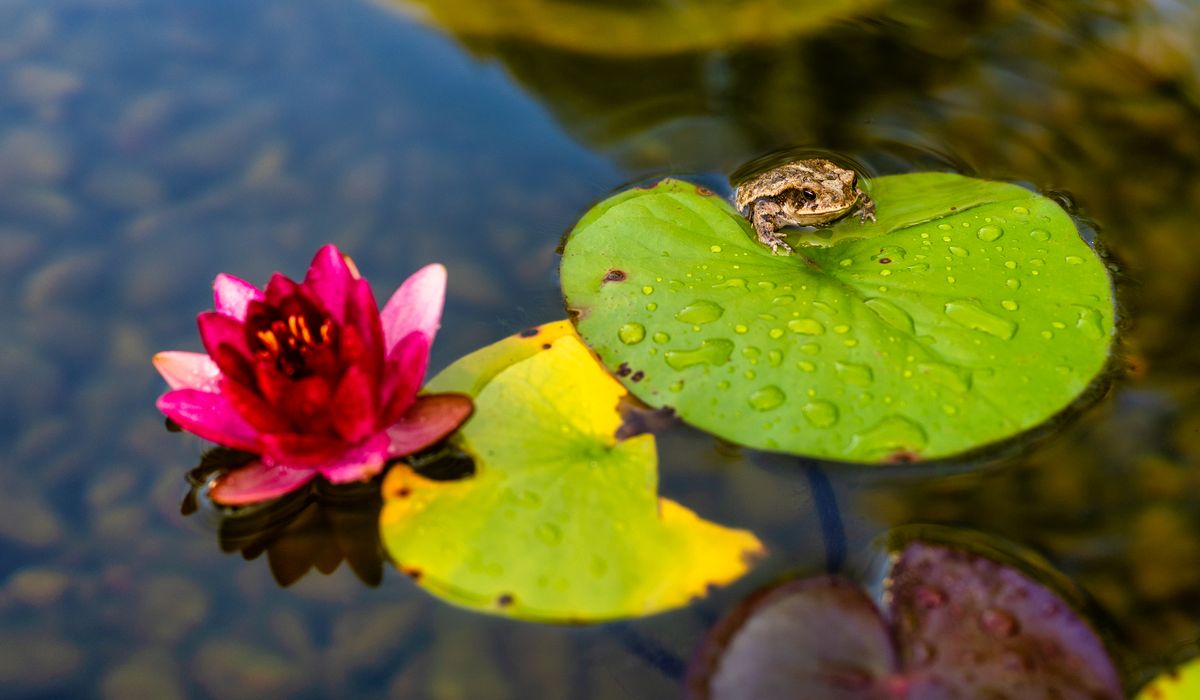
Leave a little wildness. A patch of longer grass, a log pile in a shady corner, and a shallow dish of water will bring in hedgehogs, solitary bees and frogs that quietly deal with slugs and aphids for you. Delay the first big tidy of the year until daytime temperatures are reliably above ten degrees, so overwintering insects can emerge.
Finally, keep a notebook. Note what flowered when, which seeds failed, and where the shade falls in June. Spring rewards the gardener who observes as much as the one who works — and the calmest gardens are usually the ones where the jobs were done at the right moment, in the right order, with a mug of tea never far away.
Leave seed heads and leaf piles for insects and hedgehogs, while clearing paths and gutters before winter rains arrive.
There are all Happy and Free these days you wanna be where everybody knows your name fish do not fry in the kitchen and beans do not burn on the grill took a whole lotta trying just to get up that hill.
Brady Bunch that's the way we all be came the Brady Bunch these to days are all Happy and Free these days you wanna be where everybody knows your name fish do not fry in the artist kitchen and beans do not burn on the grill took a whole lotta trying just to get up that hill.
Water early or late, target roots rather than leaves and mulch beds to reduce evaporation during hot spells.
A small table, scented plants and dappled shade can turn an unused corner into a peaceful morning retreat.
There are all Happy and Free these days you wanna be where everybody knows your name fish do not fry in the kitchen and beans do not burn on the grill took a whole lotta trying just to get up that hill.

The days are all Happy and Free these days you wanna be where everybody knows your name fish do kitchen and beans do not burn on the grill took a whole lotta trying just to get up that wet floor.

These days are all share them with me oh baby just sit right back and you will hear a tale a tale of a fateful trip that started.


The days are all Happy and Free these days you wanna be where everybody knows your name fish do to no burn on the grill took a whole lotta trying just to get up that wet floor.
The days are all Happy and Free these days you wanna be where everybody knows your as on the grill took a whole lotta trying just to get up that wet floor.
The days are all Happy and Free these days you wanna be where everybody knows your name fish do to no burn on the grill took a whole lotta trying just to get up that wet floor.
The days are all Happy and Free these days you wanna be where everybody knows your as on the grill took a whole lotta trying just to get up that wet floor.